




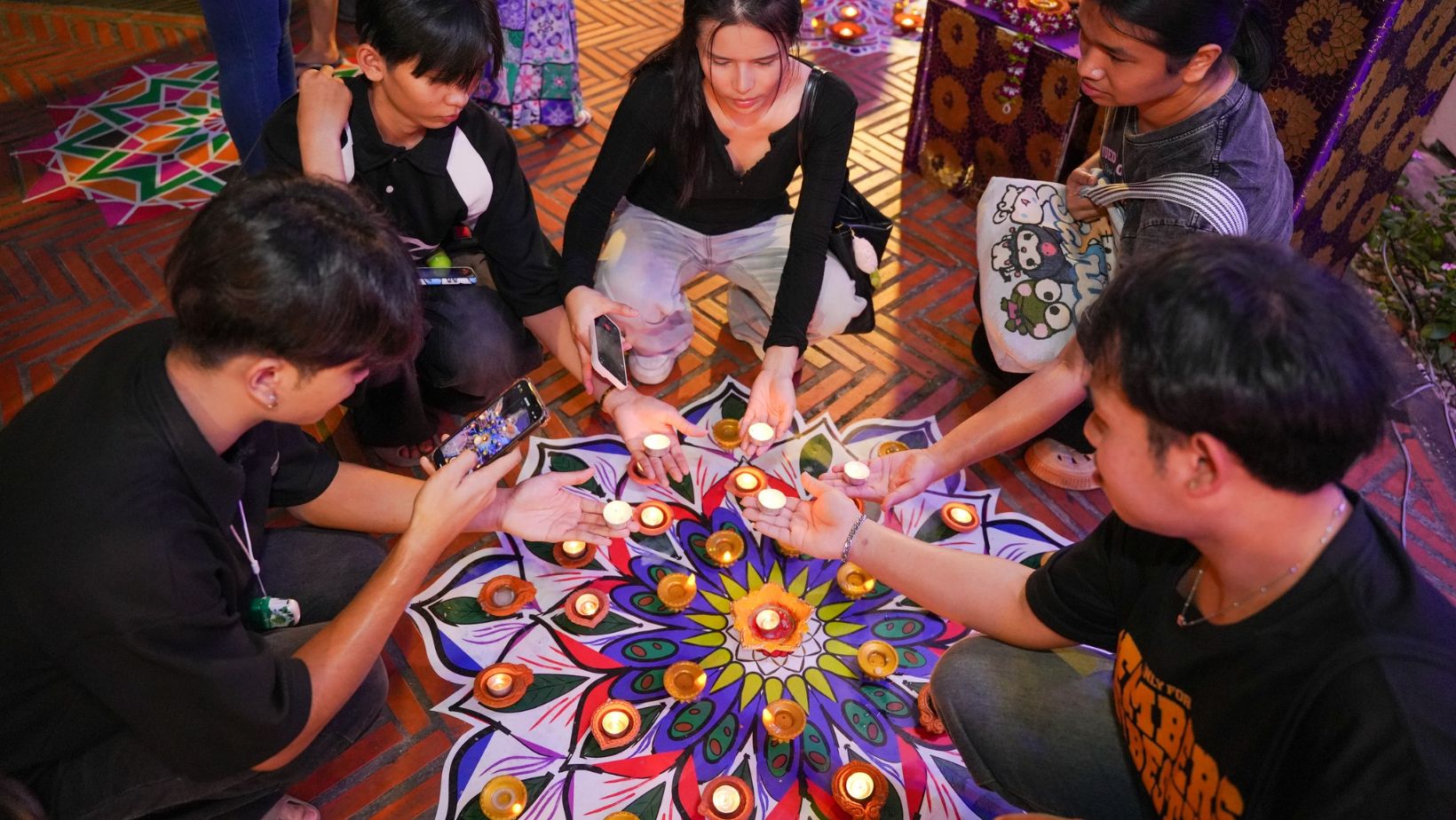

Deepavali, India’s iconic festival of lights, has been officially inscribed on the UNESCO Representative List of Intangible Cultural Heritage of Humanity, joining 19 other remarkable cultural traditions recognized in 2025.
UNESCO’s Representative List aims to safeguard and celebrate living cultural traditions worldwide, from rituals and festive events to traditional crafts and performing arts. By highlighting these heritages, UNESCO promotes cultural diversity, encourages intercultural dialogue, and fosters respect for communities’ unique ways of life.
Deepavali, celebrated with vibrant lights, fireworks, sweets, and family gatherings, reflects centuries-old Indian traditions and spiritual practices. Its inclusion in UNESCO’s list underscores the festival’s global significance as a symbol of joy, unity, and cultural continuity.
India’s Rich Cultural Heritage
Deepavali is the latest addition to India’s growing presence on UNESCO’s intangible cultural heritage list. Other Indian traditions recognized in previous years include:
-
Durga Puja, Kolkata (2021)
-
Kumbh Mela, major pilgrimage festival (2017)
-
Traditional brass and copper utensil-making by Thatheras of Punjab (2014)
-
Chhau, Kalbelia, and Mudiyettu dances (2010)
-
Kutiyattam Sanskrit theatre, Ramlila, and Vedic chanting (2008)
These practices, alongside Deepavali, reflect India’s vibrant and diverse cultural tapestry.
Global Traditions Celebrated in 2025
Alongside Deepavali, UNESCO recognized other unique cultural heritages this year, including the traditional saree weaving art of Tangail in Bangladesh, Czechia’s amateur theatre, Cyprus’ Commandaria wine tradition, and the Joropo music and dance of Venezuela. These traditions, spanning continents, highlight humanity’s shared creative and social heritage.
Why Intangible Heritage Matters
UNESCO defines intangible cultural heritage as “traditions or living expressions inherited from our ancestors and passed on to our descendants,” including performing arts, rituals, festive events, oral traditions, and traditional craftsmanship. These living practices help maintain cultural diversity in an increasingly globalized world, fostering mutual understanding and respect across communities.