




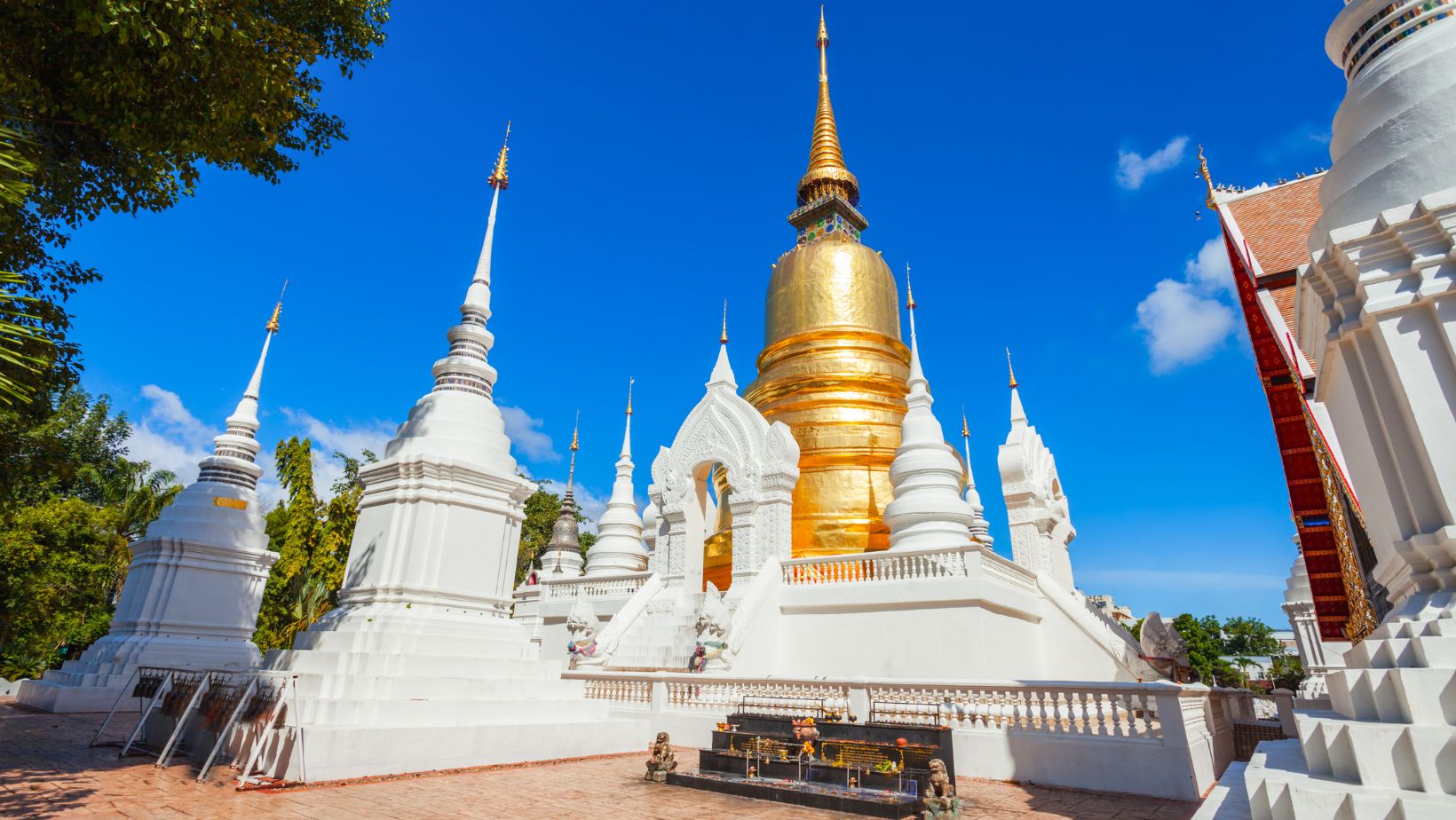

Chiang Mai is stepping into the international spotlight as Thailand advances its bid to secure UNESCO World Heritage status for the northern city. Central to the nomination are seven historic temples that define Chiang Mai’s identity as the former capital of the Lanna Kingdom and reflect its status as a living heritage city, where sacred traditions remain deeply woven into everyday life.
Rather than focusing on a single monument, the UNESCO proposal highlights a cultural landscape—one shaped by spirituality, community, and centuries of continuous use. These seven temples form the spiritual backbone of that story.
Wat Chiang Man
As the oldest temple in the city, Wat Chiang Man dates back to the founding of Chiang Mai in the late 13th century. Established during the reign of King Mangrai, the temple enshrines sacred Buddha images believed to protect the city. Its enduring presence makes it a cornerstone of Chiang Mai’s historical and spiritual identity.
Wat Phra Singh
Wat Phra Singh is widely regarded as one of northern Thailand’s finest examples of Lanna craftsmanship. Intricate wood carvings, elegant rooflines, and carefully preserved murals reflect a refined artistic tradition. The temple remains an active religious center, particularly during major Buddhist festivals.
Wat Chedi Luang
Dominating Chiang Mai’s old city, Wat Chedi Luang is defined by its massive brick chedi, once among the tallest structures in the ancient Lanna Kingdom. Although partially damaged by an earthquake centuries ago, the site continues to symbolize the city’s political and religious importance.
Wat Phra That Doi Suthep
Overlooking the city from Doi Suthep mountain, Wat Phra That Doi Suthep is considered the spiritual heart of Chiang Mai. Pilgrims ascend its iconic naga staircase to pay homage to sacred relics, while the temple’s presence reinforces the deep bond between the city, nature, and faith.
Wat Suan Dok
Wat Suan Dok stands out for its white chedis that house the remains of Lanna royalty. Beyond its royal connections, the temple remains an active monastic center and a place for cultural exchange, where visitors can engage directly with Buddhist teachings and local monks.
Wat Chet Yot
Distinctive for its seven-spired design inspired by India’s Mahabodhi Temple, Wat Chet Yot reflects Chiang Mai’s historical links to wider Buddhist traditions. The temple once hosted an important Buddhist council, underscoring the city’s role as a center of religious scholarship.
Wat Umon
Tucked away among trees on the western edge of the city, Wat Umong offers a tranquil contrast to Chiang Mai’s urban temples. Known for its ancient tunnels and forest setting, the site highlights the meditative, nature-oriented side of Lanna Buddhism.
A City Where Heritage Still Breathes
Chiang Mai’s strength lies not only in its temples’ age or beauty, but in how they continue to function as living spaces of worship, learning, and community. As UNESCO prepares its assessment, the world may soon recognize what locals have always known: Chiang Mai is not just a city with history—it is a city living its history every day.
Planning a visit? Exploring these temples offers more than photo opportunities—it’s an invitation to understand the soul of northern Thailand.
–
Indo Thai News brings you the latest stories from Thailand and Asia—covering Travel, Lifestyle, Entertainment, and more.
Want your business, brand, or event to be featured? Submit Your Press Release to Indo Thai News and share your story with our growing community.