




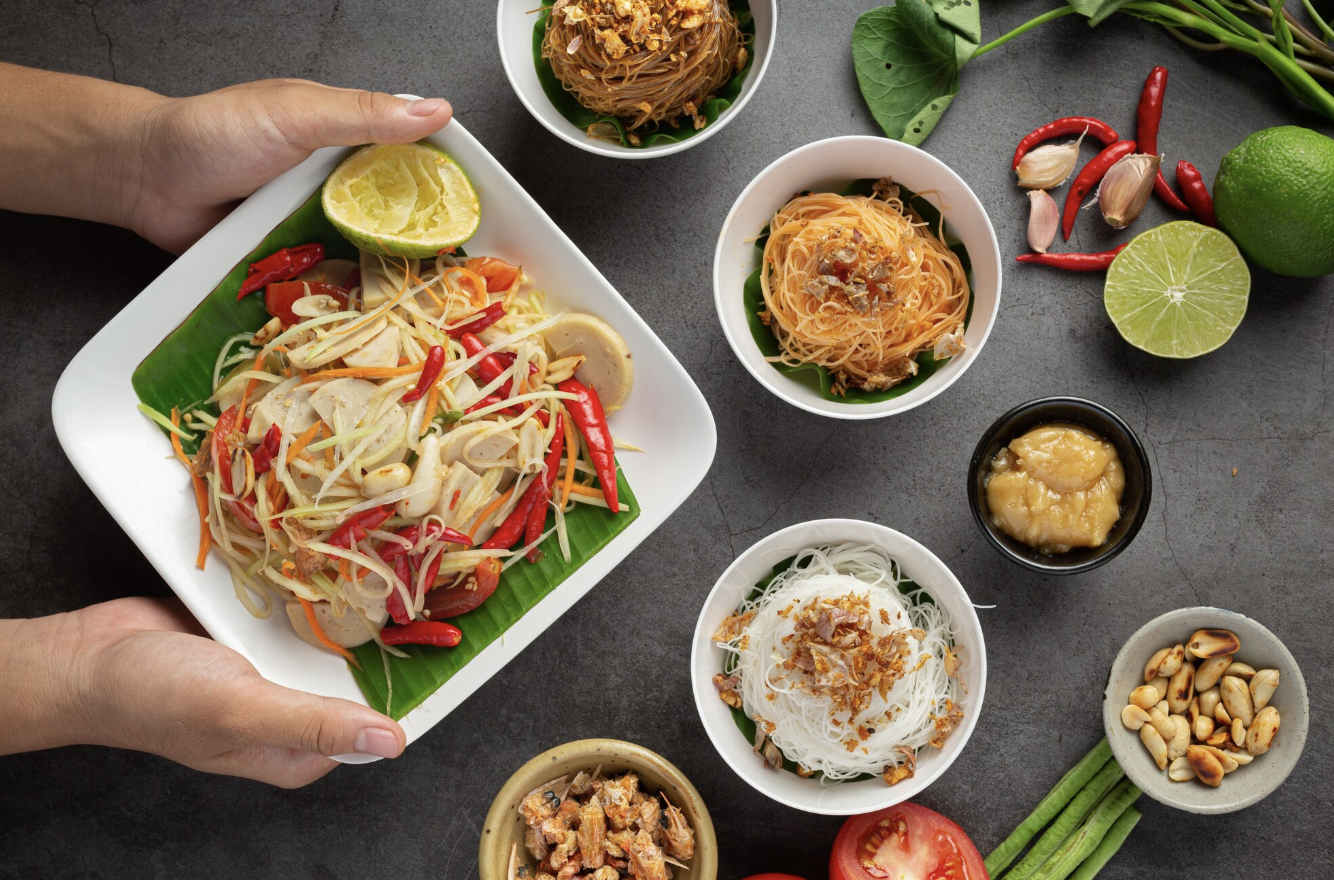

Moving to Thailand means facing a menu that ranges from gentle coconut soups to dishes that can genuinely catch you off guard. There’s no single official heat scale here, restaurants and street stalls each have their own sense of “medium,” which is part of why so many newcomers either play it too safe for months or order something ambitious on day one and regret it immediately.
This list works through ten essential dishes, starting mild and building up to genuinely fiery. Consider it a roadmap for pacing your spice tolerance the smart way, one dish at a time, rather than diving straight into the deep end.
Why Thai Spice Levels Are So Inconsistent
Before getting into the list, it helps to understand why “medium” at one stall can feel nothing like “medium” at another. Thailand has no standardized heat scale the way some cuisines do. Some restaurants use a numbered system, others stick to mild-medium-hot labels, and street vendors often just ask how many chilies you want and let you hold up fingers to answer.
Regional cuisine plays a role too. Northern Thai food tends to lean on herbs rather than chilies, making it a gentler starting point, while Isaan food from Thailand’s northeast is generally considered the country’s spiciest, built around fresh bird’s eye chilies, lime, and fermented fish sauce. Central Thai dishes, the ones most visitors encounter first in Bangkok, usually sit somewhere in between, since coconut milk, sugar, or tamarind often soften the chili heat.
With that context, here’s how ten popular dishes actually stack up.
1. Khao Man Gai — Spice Level: 1/5 (Mild)
Thailand’s answer to Hainanese chicken rice. Silky rice cooked in chicken fat and broth, tender poached chicken, and a light ginger-garlic dipping sauce served on the side. It’s comforting, simple, and about as safe a first bite into Thai food as it gets, since any real heat is entirely optional and comes from a side sauce you control yourself.
2. Pad Thai — Spice Level: 1/5 (Mild)
The dish that introduces most people to Thai food in the first place. Stir-fried rice noodles, tamarind, egg, peanuts, and a choice of shrimp or chicken come together in a dish that’s sweet and tangy far more than spicy. Any heat typically comes from optional dried chili flakes on the table, not the dish itself.
3. Khao Soi — Spice Level: 2/5 (Light)
A Northern Thai specialty built around a coconut curry broth, soft egg noodles, and a handful of crispy fried noodles on top for texture. Northern cuisine generally relies more on herbs than chili, and khao soi follows that pattern. Expect gentle warmth rather than a real burn.
4. Massaman Curry — Spice Level: 2/5 (Light)
Slow-cooked, rich, and slightly sweet, seasoned with warm spices like cinnamon and cardamom rather than raw chili heat. Usually made with beef or chicken, potatoes, and peanuts, it’s often cited as one of the gentlest curries on a Thai menu, a solid entry point before trying spicier options like green or red curry.
5. Tom Kha Gai — Spice Level: 2/5 (Light)
A coconut milk soup built on galangal, lemongrass, and lime leaves, with chicken and mushrooms. It’s creamy and deeply fragrant, with just enough chili to notice without it taking over. Many people order it specifically to balance out a spicier dish on the same table.
6. Pad Kra Pao — Spice Level: 3/5 (Medium)
Widely considered one of the most-eaten dishes in the country, this Bangkok lunch staple stir-fries minced meat fast and hot with holy basil, garlic, and chilies, typically served over rice with a fried egg on top. This is where real heat starts to show up on this list, though most restaurants offer adjustable spice levels, and street stalls will usually accommodate a request for less chili.
7. Tom Yum Goong — Spice Level: 3/5 (Medium)
Thailand’s most internationally recognized dish, and it earns that reputation. A hot and sour shrimp soup built on lemongrass, kaffir lime leaf, galangal, and chili, it hits from multiple directions at once: sour, salty, and spicy in the same spoonful. Central Thai cooking tends to balance heat with other flavors, and tom yum is a good example of that balance still landing with real punch.
8. Som Tam — Spice Level: 4/5 (Hot)
Green papaya salad, pounded fresh to order in a mortar with fish sauce, lime, palm sugar, garlic, and a serious amount of chili. As an Isaan dish, it inherits that region’s reputation as Thailand’s spiciest cuisine, and most vendors don’t go easy on the heat by default. If you want to survive the first bite, ask for “mai phet” (not spicy) or hold up one finger to signal how many chilies you’d like.
9. Larb — Spice Level: 4/5 (Hot)
A minced meat salad tossed with lime juice, fish sauce, toasted rice powder, and fresh herbs. Another Isaan staple, it looks deceptively casual on the plate, more like a side dish than a main, but the combination of dried and fresh chili builds a complex, layered heat that sneaks up a few bites in.
10. Goong Chae Nam Pla — Spice Level: 5/5 (Extreme)
Raw shrimp served in a sharp, spicy fish sauce mixture loaded with raw garlic and sliced chili. This is squarely in heat-enthusiast territory and not built for a first-timer’s palate. If you’ve worked through the rest of this list and are still craving more, this is the dish that tests it.
Spice Level Cheat Sheet
| Dish | Spice Level | Region |
|---|---|---|
| Khao Man Gai | 1/5 Mild | Central |
| Pad Thai | 1/5 Mild | Central |
| Khao Soi | 2/5 Light | Northern |
| Massaman Curry | 2/5 Light | Central/Southern influence |
| Tom Kha Gai | 2/5 Light | Central |
| Pad Kra Pao | 3/5 Medium | Central |
| Tom Yum Goong | 3/5 Medium | Central |
| Som Tam | 4/5 Hot | Isaan |
| Larb | 4/5 Hot | Isaan/Northern |
| Goong Chae Nam Pla | 5/5 Extreme | Central |
How to Order Your Spice Level Like a Local
A few phrases make a real difference when ordering, especially at street stalls where the cook is working right in front of you:
- “Mai phet” — not spicy
- “Phet noi” — a little spicy
- “Phet mak” — very spicy
Adding “krap” (for men) or “ka” (for women) to the end of any phrase is a small politeness that’s widely appreciated. At most som tam stalls, you can also just hold up fingers to indicate how many chilies you want, since the dish is typically pounded fresh per order anyway.
Frequently Asked Questions
What’s the mildest Thai dish to start with?
Khao Man Gai and Pad Thai are both considered the safest starting points, since neither relies on chili heat for its core flavor, and any spice is optional and added separately.
Is Thai food always this spicy?
No. Central Thai cuisine, which is what most people encounter first in Bangkok, tends to balance chili with coconut milk, sugar, or tamarind. Isaan food from the northeast is generally the spiciest regional cuisine, while Northern Thai food leans more on herbs than heat.
How do I ask for a dish to be made less spicy?
Say “mai phet” (not spicy) or “phet noi” (a little spicy) when ordering. Most restaurants and street vendors are used to adjusting spice level on request, especially for dishes like pad kra pao or tom yum that are cooked to order.
Which dish should I try last, once my spice tolerance builds up?
Goong Chae Nam Pla is generally considered one of the most intense dishes on a typical Thai menu, and it’s the one most worth working up to rather than starting with.
Final Thoughts
Building up a spice tolerance in Thailand isn’t about forcing it on day one. It’s closer to leveling up: start with something like khao man gai or pad thai, work through the medium-heat staples like pad kra pao and tom yum, and only reach for som tam, larb, or goong chae nam pla once your palate’s actually ready for them. By the time a dish like tom yum stops feeling spicy, you’ll know you’ve genuinely settled into eating like a local.
Sources
- BackpackThailand: Thai Food Guide for Beginners — 30 Essential Dishes Ranked (2026)
- Go2Thailand: Is Thai Food Spicy? Complete Guide to Heat Levels & Mild Options
- Zoob Zib Thai NYC: Thai Food Spice Levels Explained
- Eattini Thai Kitchen: What is the Thai Spice Scale?
- Limros Thai Restaurant: Is Thai Food Spicy? Top Mild, Moderate & Spicy Thai Dishes